★Family Owned Since 1962Licensed & Insured
Mon–Fri 7:00 AM – 6:00 PM(732) 552-8737
Our ServicesView All
Asphalt resurfacing and overlay services. Restore your driveway or parking lot without the cost of full replacement. GSP Asphalt Paving — family-owned since 1962.
Overview
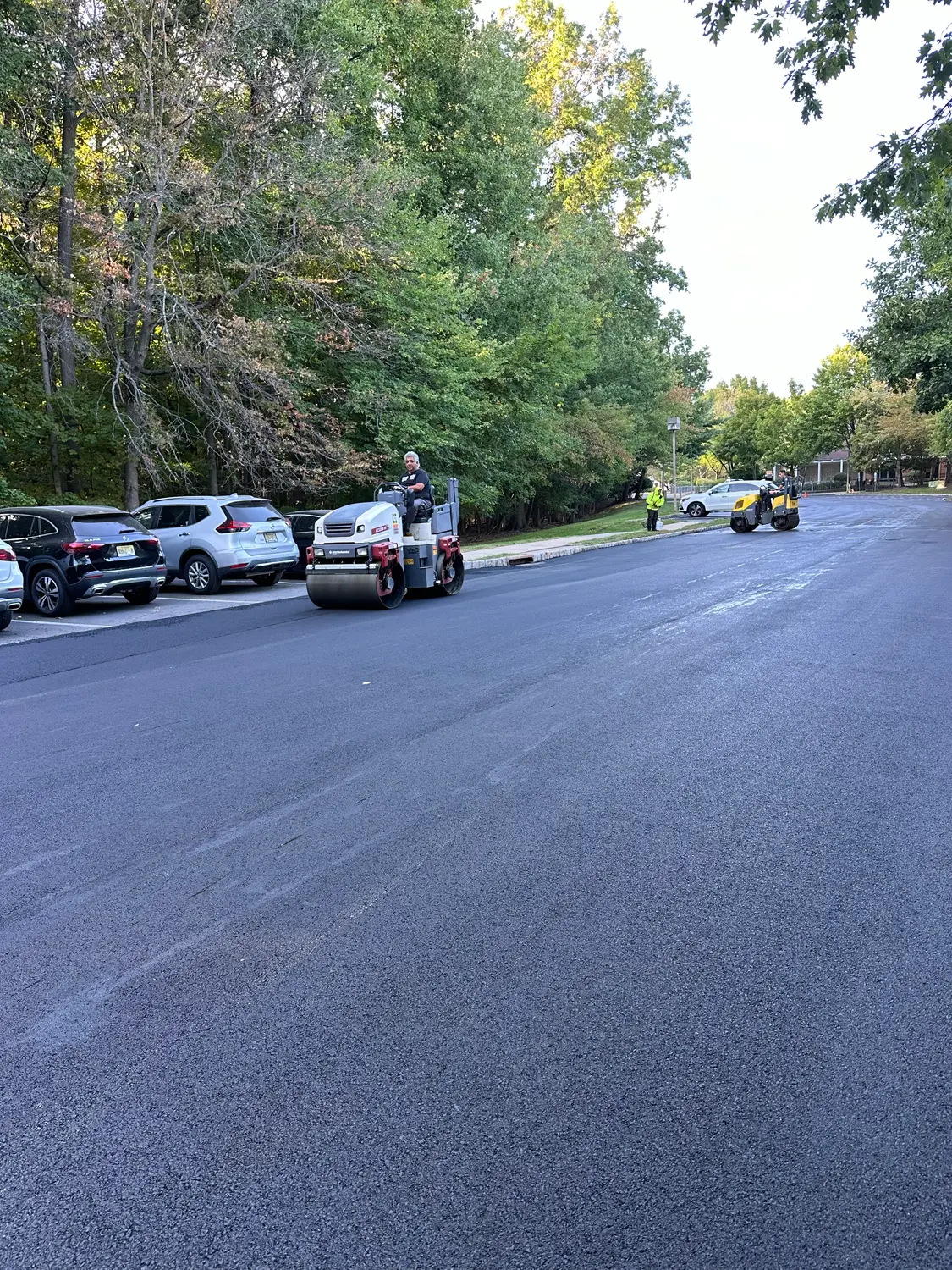
If your existing asphalt is worn, faded, or showing surface cracks but the base is still solid, resurfacing (also called an overlay) is a cost-effective way to restore a like-new finish. GSP Asphalt Paving applies a fresh layer of hot-mix asphalt over the existing surface, saving you the time and expense of a complete tear-out.
60+
Years Experience
5,000+
Projects Delivered
Free
On-Site Estimates
What's Included
The line items below aren't add-ons — they're the standard. Every project we book ships with all of it, in writing, before a single shovel hits dirt.
Hot-mix asphalt overlay installation
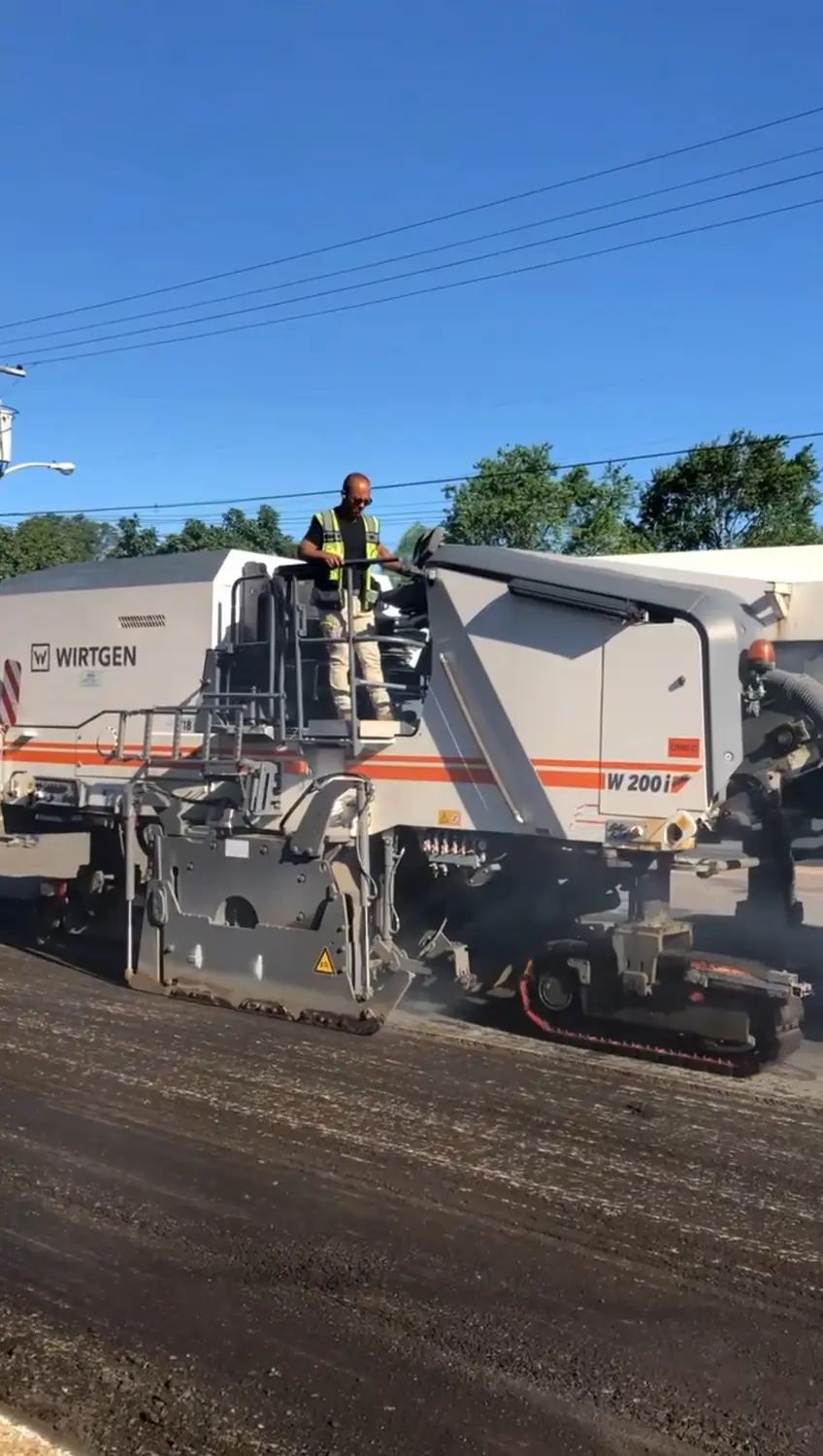
Milling of damaged surface layers
Leveling and grade correction
Seamless transitions at edges and joints
Residential and commercial resurfacing
Infrared asphalt patching for localized areas
Why It Matters
What you get when asphalt resurfacing is engineered, scheduled, and stood behind by a third-generation family crew.
Costs significantly less than full replacement
Completed faster than new installations
Extends pavement life by 10–15 years
Restores smooth, attractive appearance
Strengthens the existing pavement structure
Environmentally friendly — less material to landfill
Common Questions
Don't see your question? Call (732) 552-8737 — a real person picks up.
Pairs Well With
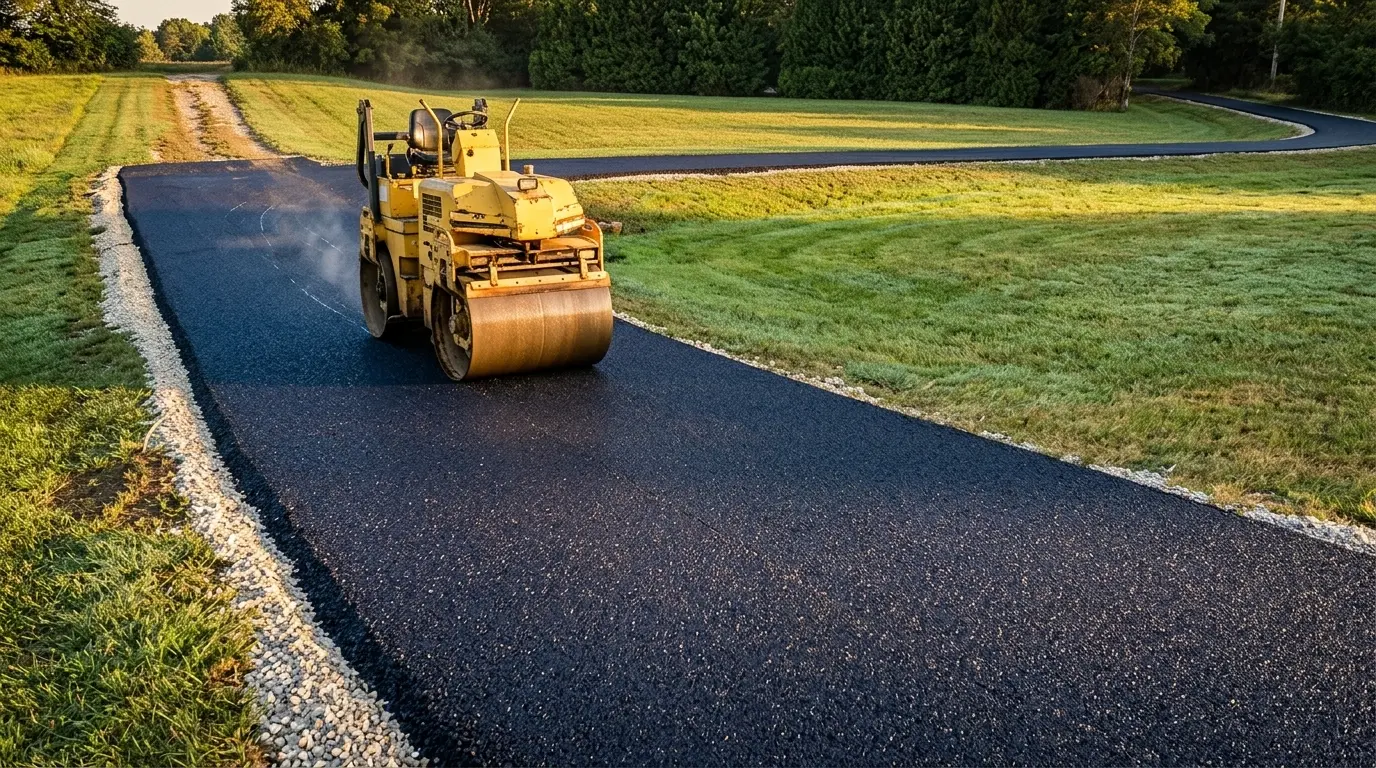
Professional asphalt paving services for residential and commercial properties. New installations, extensions, and full-depth paving by GSP Asphalt Paving — a 3rd generation family-owned company since 1962.
Learn More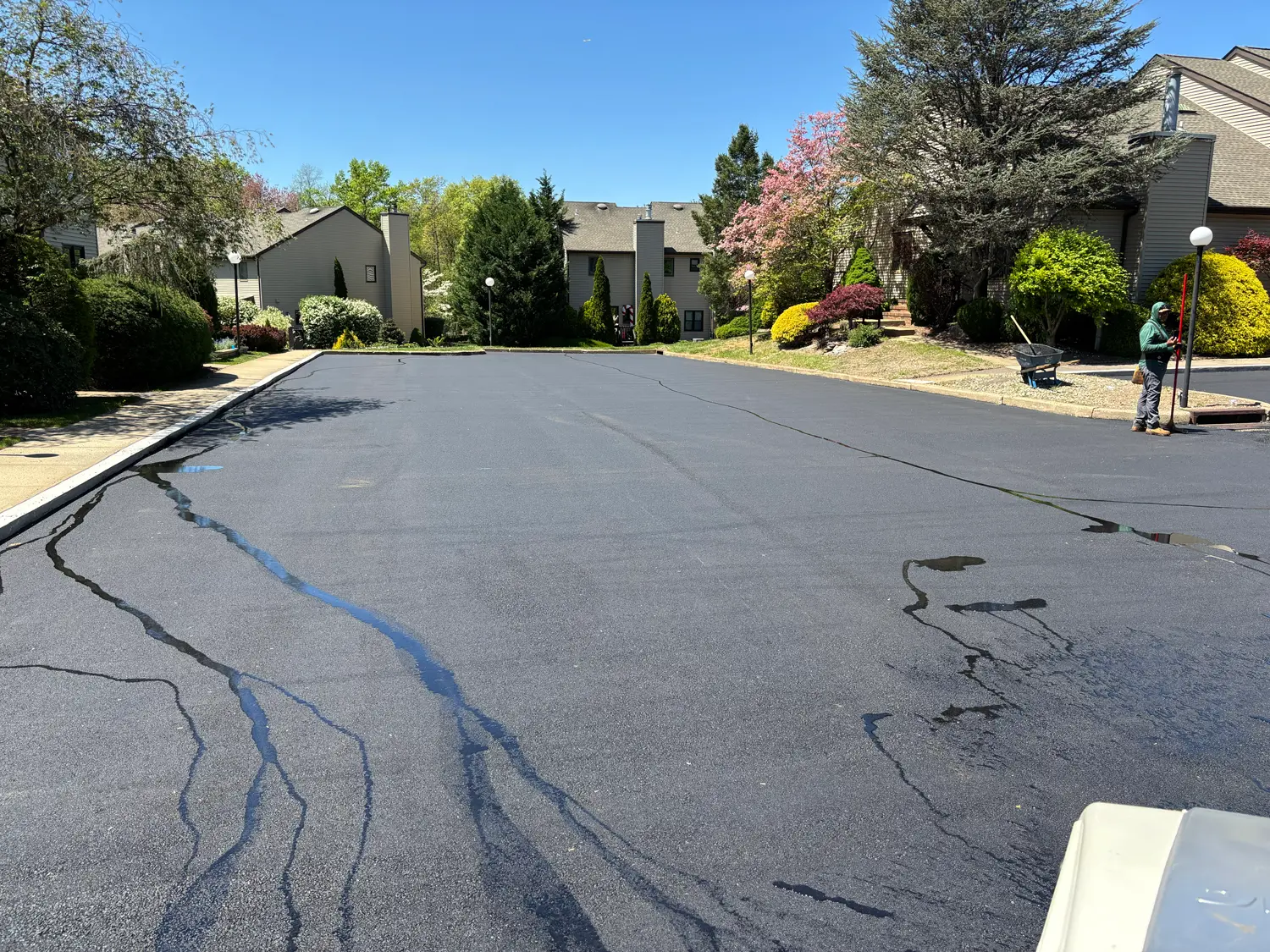
Asphalt repair, pothole patching, and crack filling services. Keep your pavement safe and looking great with GSP Asphalt Paving.
Learn More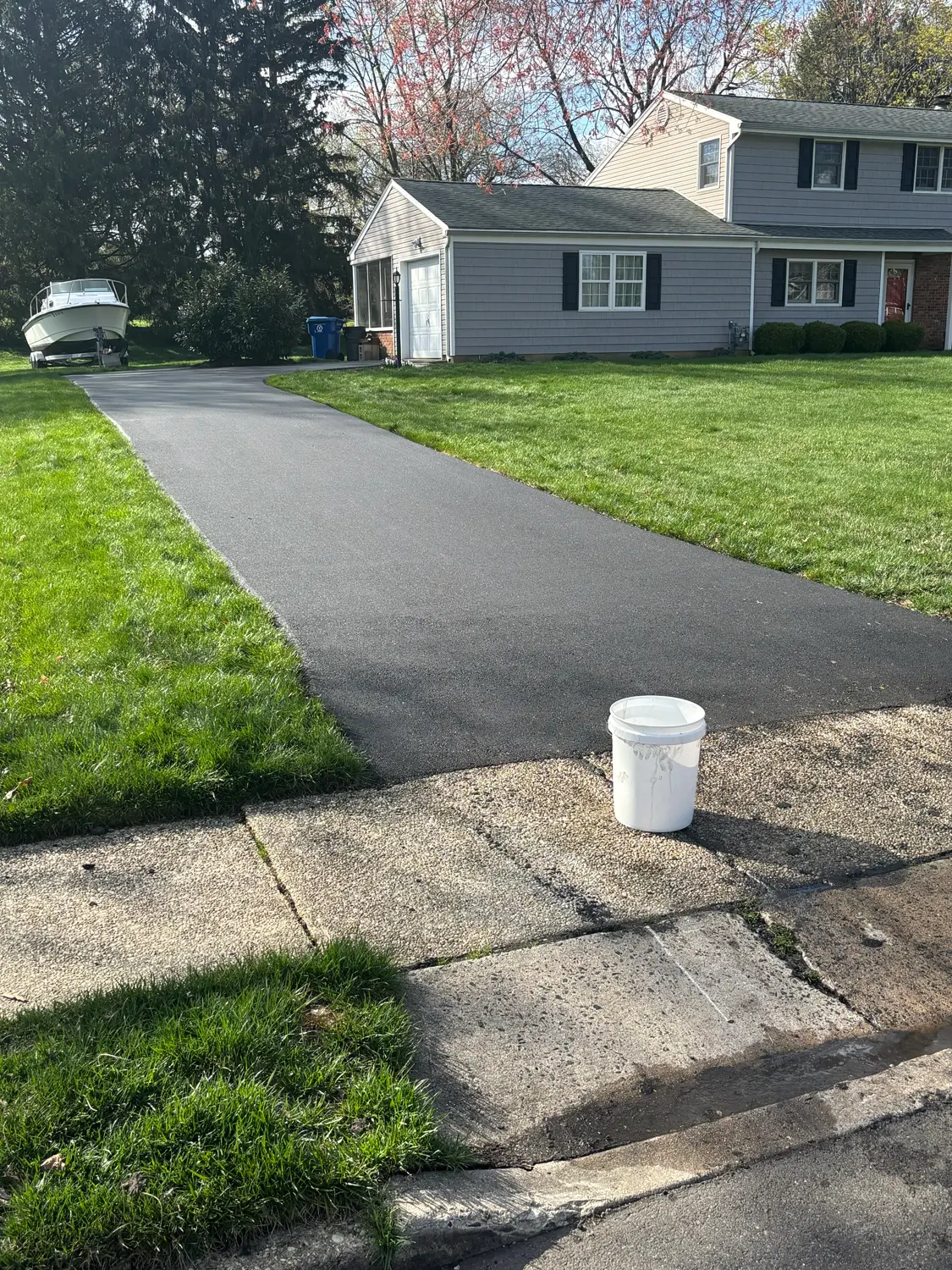
Professional asphalt sealcoating services for residential and commercial properties. Protect and extend the life of your driveway or parking lot with GSP Asphalt Paving — trusted since 1962.
Learn MoreFree Estimates · Licensed & Insured
Get a free, no-obligation estimate for your next asphalt project. Our team is ready to help.
What to Expect
Call or Submit
Tell us about your project. We'll set up a site visit at your convenience.
On-Site Estimate
Free, no-pressure walkthrough. Honest scope. Honest number — in writing.
Schedule & Pave
We confirm a date, mobilize the crew, and lay it down right the first time.