By GSP Asphalt Paving Editorial Team · Updated September 12, 2026 · 6 min read
Asphalt driveway sealcoating in Toms River, NJ protects the surface from New Jersey weather, reduces cracking, and extends driveway life. GSP Asphalt Paving, family-owned since 1962, applies commercial-grade sealer with owner-supervised crews on every job. Licensed and insured, the third-generation company serves Ocean County homeowners with transparent pricing and dependable scheduling from estimate through completion.
Why sealcoat your Toms River driveway?
Sealcoating defends asphalt from weather damage, reduces cracking, and adds years of life to the surface. Unprotected driveways in coastal Ocean County face distinct hazards that accelerate deterioration.
How does sealcoating prevent pothole formation?
Water infiltration is the root of most potholes. Sealcoating guards against pothole formation by filling hairline cracks before winter moisture seeps beneath the asphalt. The protective barrier stops water from reaching the base layer. Freeze-thaw cycles would otherwise heave and crack the surface from below.
What makes Toms River asphalt different from inland driveways?
Toms River sits on sandy soil with a high water table in low-lying areas, creating a shifting subgrade that stresses pavement. Salt-air freeze-thaw cycles punish poorly built surfaces more aggressively here than in inland communities. Regular sealcoating compensates for these coastal conditions by extending the asphalt's flexibility and preventing the alligator cracking that spreads from a weakened base.
Professional sealcoat application every two to three years delivers:
- Shields the asphalt surface from UV rays that oxidize and embrittle the binder.
- Seals surface pores against oil, gas, and chemical spills.
- Improves nighttime visibility and slip resistance for homeowner safety.
Property owners who skip sealcoating face costly repairs within one to two seasons. Small surface cracks expand into wide-fault separations that require asphalt patching rather than simple resurfacing.
What does professional sealcoating involve?
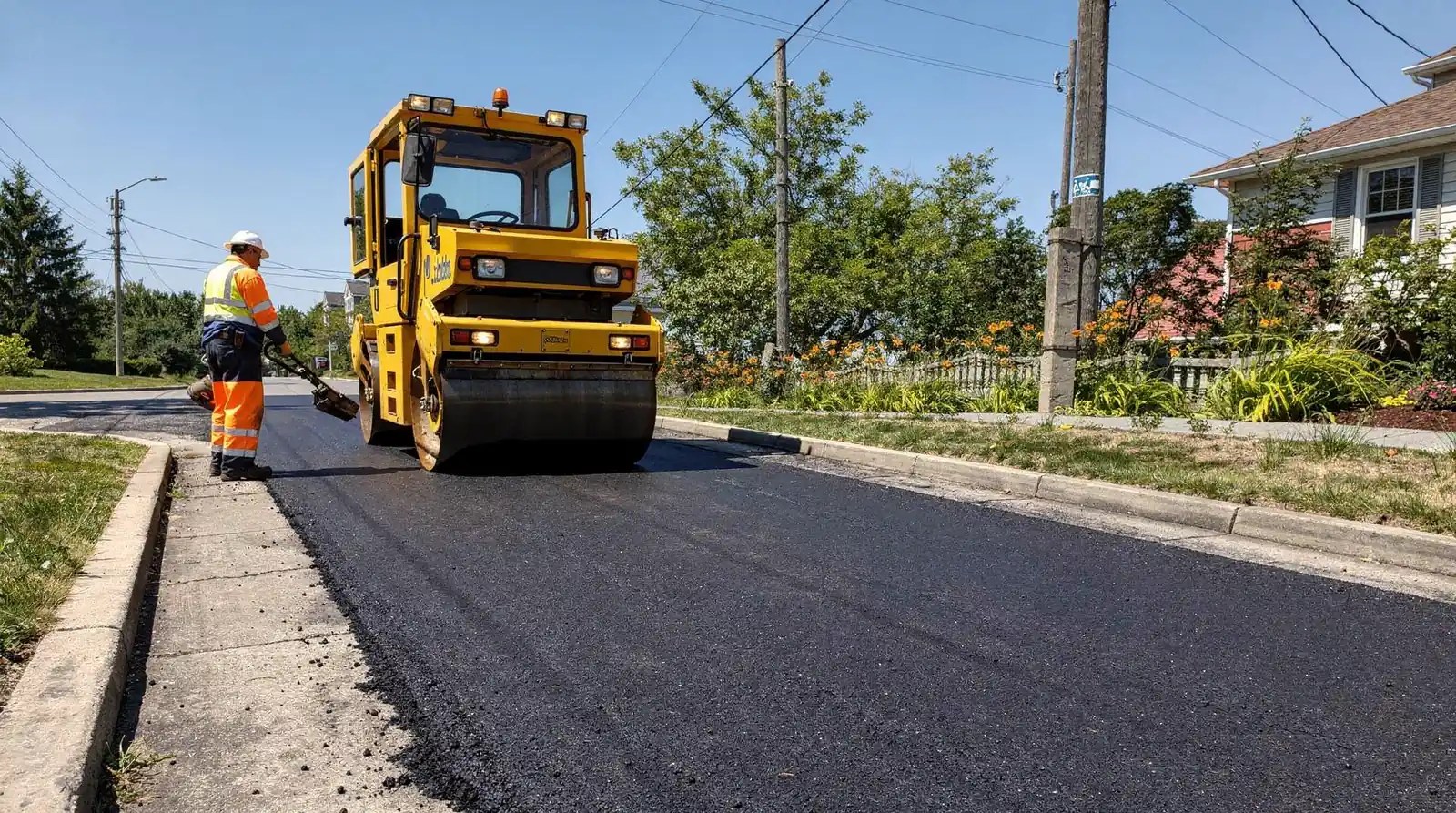
Professional sealcoating requires a multi-step process that begins with thorough surface preparation and ends with the application of a commercial-grade protective layer. GSP Asphalt Paving, a family-owned company operating since 1962, follows this sequence on every Toms River project to extend the life of asphalt surfaces.
The process starts with a full inspection of the asphalt. Crews then clean the surface, removing dirt, weeds, and debris that prevent the sealer from bonding. Next comes crack filling, which seals gaps before they become potholes. The team applies a commercial-grade sealer in a uniform coat, using equipment that ensures even coverage without pooling.
How long does sealcoating take to dry?
Drying time depends on temperature and humidity, but most surfaces accept light foot traffic within 8 to 12 hours. Vehicles should stay off the asphalt for a full 24 hours to let the sealer cure completely.
What does owner supervision include on sealcoating jobs?
Each project is personally supervised by the owner himself to ensure quality and satisfaction. He inspects the surface prep, verifies the sealer grade, and checks the final application before considering the job complete. This direct oversight ensures the same standard for every client.
The company backs this service with transparent pricing and reliable scheduling. With over 60 years of experience and more than 4,500 jobs completed, property owners in Toms River can trust the professional asphalt driveway sealcoating services delivered.
How often should you sealcoat in Toms River?
A Toms River driveway typically needs sealcoating every 2 to 3 years. This frequency protects the asphalt from coastal weather damage and reduces cracking, which extends the surface's lifespan. Waiting longer than 3 years allows water to penetrate the base layer, leading to pothole formation and costly repairs.
What happens if you skip sealcoating in Toms River?
Skipping sealcoating exposes the asphalt to Ocean County's freeze-thaw cycles and UV rays. Without the protective layer, the surface oxidizes and becomes brittle, cracking under vehicle weight. The result is accelerated deterioration that requires patching or full replacement years ahead of schedule.
Does sealcoating improve driveway safety?
Sealcoating increases slip resistance on the asphalt surface. A fresh coat provides better traction for vehicles and pedestrians, especially during Toms River's wet or icy conditions. This safety improvement is one reason property owners schedule the service regularly.
Conclusion
In closing, protecting your asphalt driveway with professional sealcoating is an investment in longevity and curb appeal. GSP Asphalt Paving brings six decades of trusted expertise to every Toms River project, combining premium materials with the owner's personal oversight to deliver results that last. When you're ready to extend your driveway's life and restore its appearance, you're choosing a family-led team committed to honest work and transparent service — the foundation of dependable asphalt care.