
By GSP Asphalt Paving Editorial Team · Updated November 12, 2026 · 6 min read
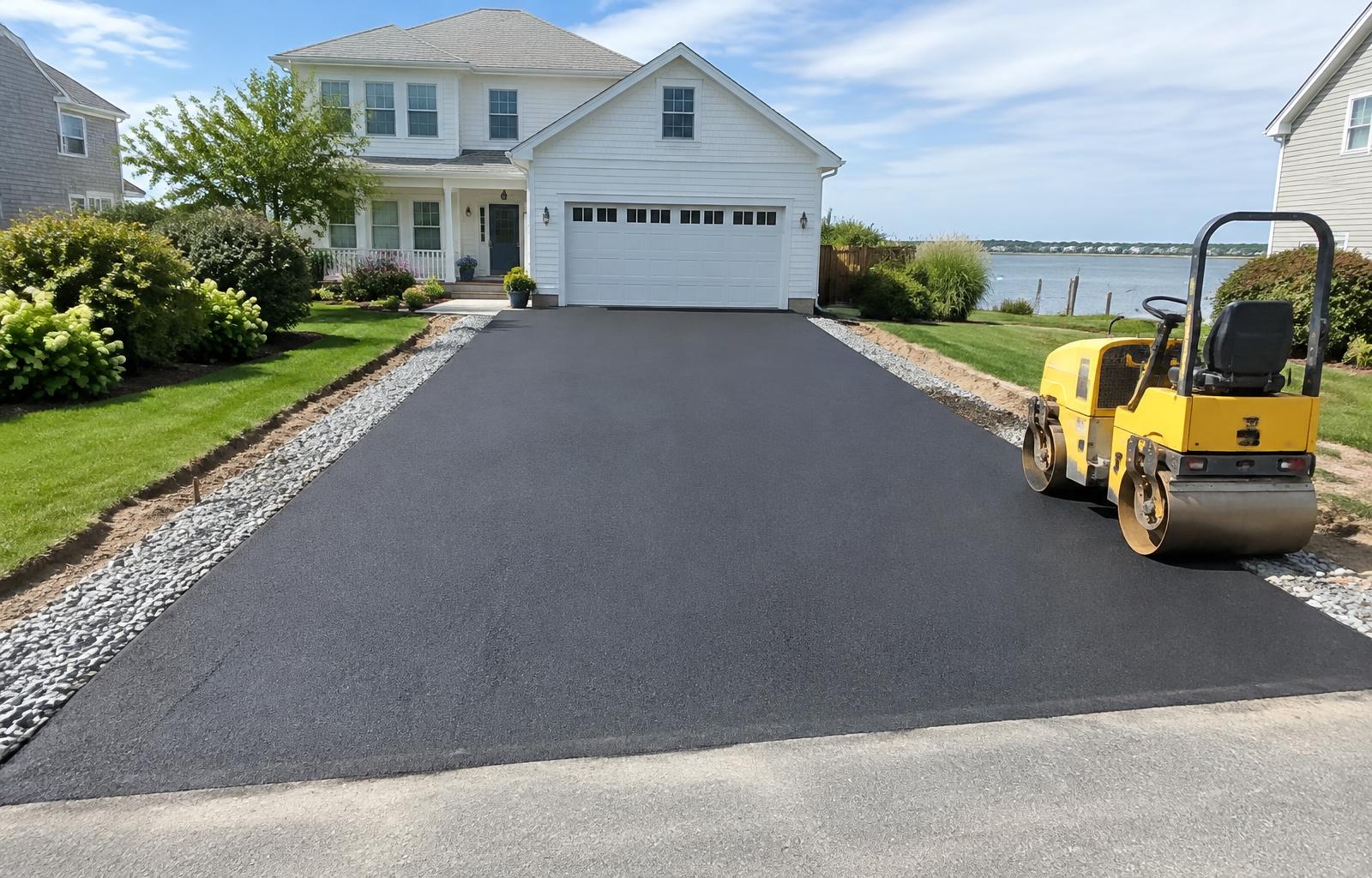
A new asphalt driveway in Toms River, New Jersey requires proper site grading, a stable stone base and hot-mix asphalt compacted for the intended use. This guide explains the installation sequence, transitions at the garage and street, and care after paving. Conditions vary by property, so preparation and return-to-use instructions should follow the actual site assessment.
What Makes Toms River Soil Different for Paving?
Coastal properties can present sandy ground, wet low-lying areas and seasonal freeze-thaw movement. These conditions are not identical across Toms River: existing fill, drainage and vehicle loads also affect the support beneath a driveway. An installation assessment should establish what is present before choosing excavation and base preparation.
Why does sandy soil cause asphalt to fail?
Loose or poorly compacted sandy ground can move under traffic and changes in moisture. If the stone base loses support, the asphalt above may develop depressions and cracks. Removing unsuitable material and compacting the supporting layers helps address that risk; excavation depth should be determined by the site rather than a blanket rule.
How does the water table affect driveway longevity?
Wet subgrade can weaken pavement support. Water trapped beneath a driveway may freeze and expand in winter, then leave uneven support as it thaws. Low areas and recurring wet spots need attention before paving, rather than being covered with another asphalt layer.
Proper grading accounts for low spots, garage entrances and adjoining surfaces. Runoff should be directed away from the garage and foundation toward an appropriate drainage route. Adding asphalt over a drainage or foundation problem does not correct its cause.
What Are the Steps to Install an Asphalt Driveway?
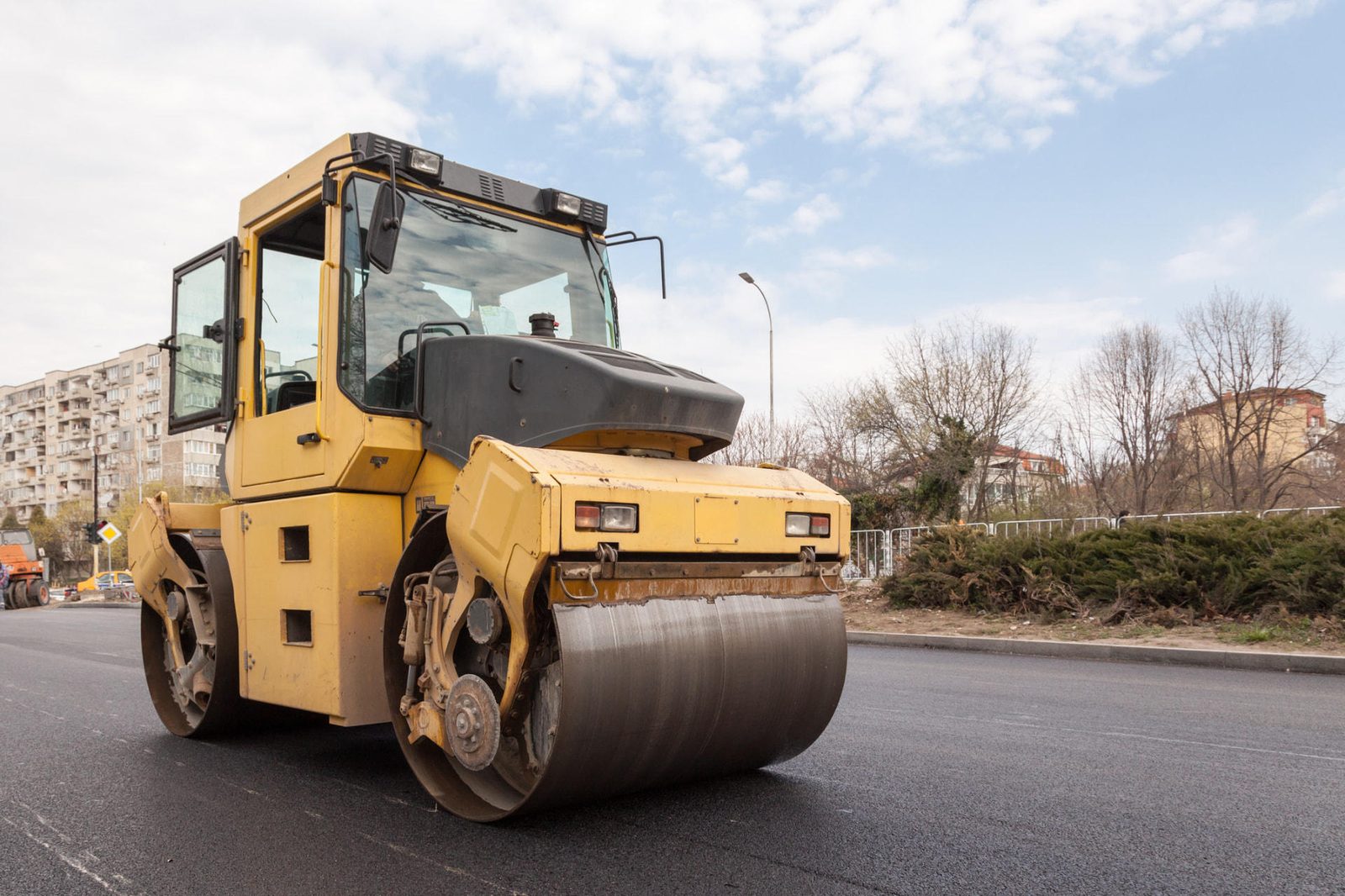
Asphalt driveway installation follows a sequence from initial measurement to final compaction. Start with a site assessment and a written scope that explains removal, base preparation, drainage, asphalt placement and the intended finished transitions. Discuss driveway access and any heavy vehicles before work is scheduled.
What Happens Before the Asphalt Arrives?
Preparation starts below the finished surface. Existing pavement and exposed base are assessed for weak areas. Unsuitable material is removed where needed, stone is placed and compacted, and grading establishes the intended drainage. The preparation scope depends on whether the project is a new driveway, replacement or work over an existing sound base.
The installation sequence:
- Measure the driveway and assess drainage, access, existing pavement and expected traffic.
- Agree on the written scope, including removal and any necessary base corrections.
- Prepare and compact the supporting stone base and check finished grades.
- Place hot-mix asphalt and compact it with equipment suited to the accessible area.
- Check edges, the garage transition and the street apron, then review aftercare instructions.
What Materials and Details Define a Professional Installation?
Hot-mix asphalt is placed over a prepared, compacted base. The mix, layer thickness and supporting material should suit site conditions and vehicle use. Sealcoating is a separate maintenance treatment, not a substitute for asphalt placement or structural base repair.
Clean edges, consistent placement, a properly tied-in apron at the street and a smooth garage transition deserve attention. The written proposal should explain included preparation, drainage work and any exclusions so homeowners can compare the actual scope rather than price alone.
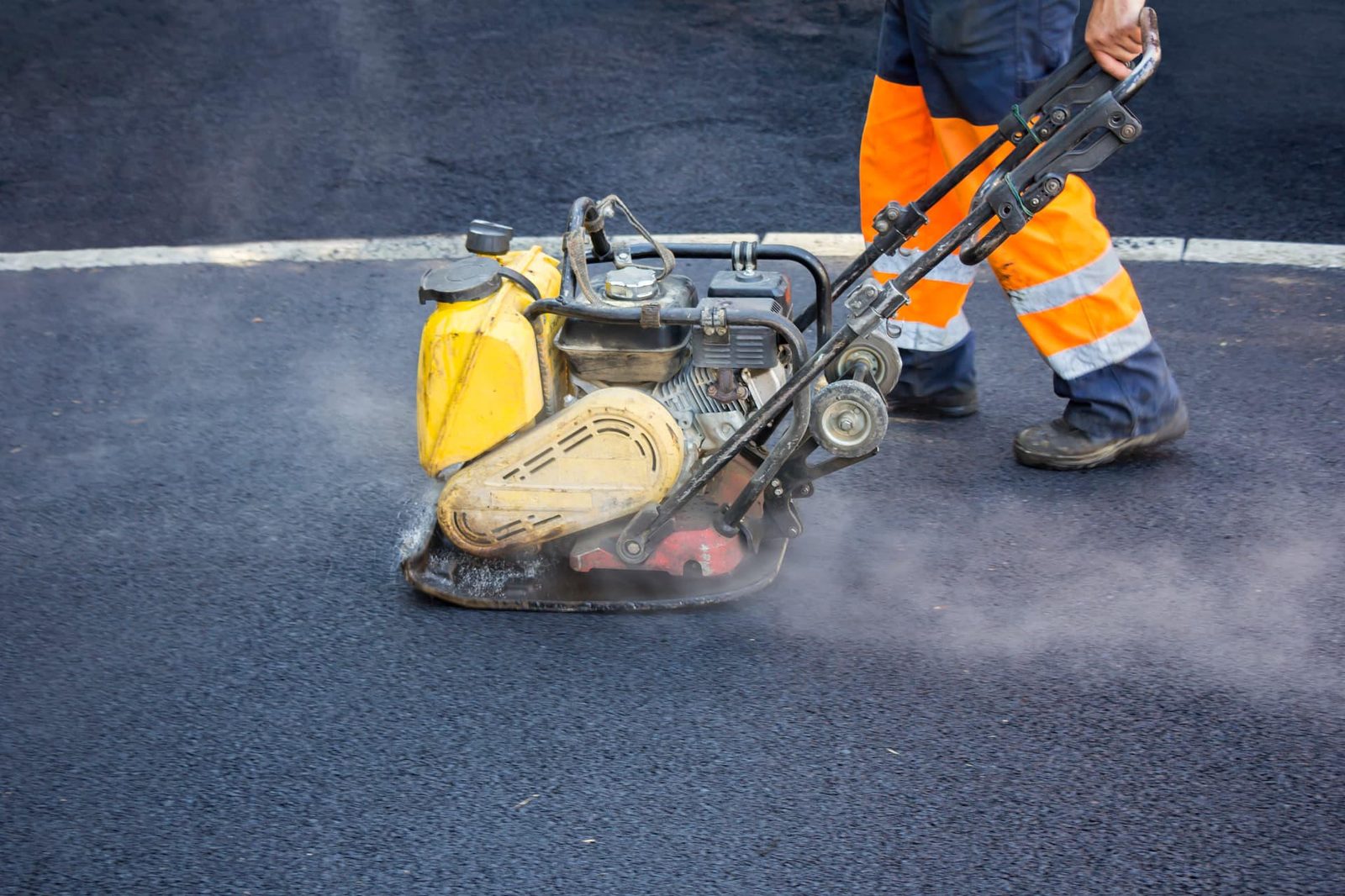
Compaction helps establish a stable finished surface. Edges and tight spaces may require different equipment from open areas. A driveway is also part of the home’s daily access, so its finished height and connections to adjoining surfaces matter alongside its appearance.
How Do You Care for a New Asphalt Driveway?
New asphalt needs time before normal use, and it can remain vulnerable to concentrated loads and scuffing while it cures. Temperature, weather, mix and pavement conditions influence aftercare. Follow the installing contractor’s site-specific instructions instead of treating a fixed waiting period as a guarantee.
What Should You Avoid Right After Installation?
Keep vehicles off the driveway until the contractor confirms it is ready. Ask separately about delivery trucks, dumpsters and recreational vehicles: their concentrated or heavy loads may require a longer restriction. Avoid sharp stationary steering, and protect the surface from pointed supports such as kickstands or narrow jack feet.
When Should Sealcoating Be Applied?
Do not seal freshly placed asphalt immediately. The pavement needs an appropriate curing period before a protective coating is applied. Ask the paving contractor and sealer supplier when the surface is ready; timing depends on the asphalt, product instructions, weather and surface condition.
Sealcoating helps protect a suitable existing asphalt surface from weathering, but it does not rebuild failed support, correct drainage or fill potholes. Structural damage should be assessed for patching or replacement before a coating is considered.
How Does Regular Maintenance Extend Driveway Life?
A regular inspection routine helps identify problems while the affected area is still manageable. Watch for cracks, broken edges, depressions and recurring standing water, especially after winter. Maintenance decisions should reflect the condition of the driveway rather than a promised lifespan.
A practical maintenance checklist:
- Inspect cracks before winter and ask which treatment suits their width and condition.
- Have potholes, sinking and interconnected cracking assessed for underlying support problems.
- Discuss sealcoating when surface wear and the previous treatment justify it; frequency varies with traffic, exposure and product guidance.
- Keep edges clear of soil and grass that hold moisture against the pavement.
- Keep drainage routes clear and report persistent pooling rather than covering it with sealer.
GSP Asphalt Paving offers residential asphalt paving, asphalt patching and sealcoating for Toms River property owners. Use the contact form to describe the driveway’s condition, project location and intended use so the discussion can focus on the preparation or maintenance it actually needs.
Conclusion
A Toms River driveway starts with suitable support and a drainage plan, followed by careful asphalt placement and compaction. Ask for a clear written scope and site-specific return-to-use instructions, then inspect the surface regularly. Contact GSP Asphalt Paving for a free estimate to discuss installation, repair or maintenance options for your property.